
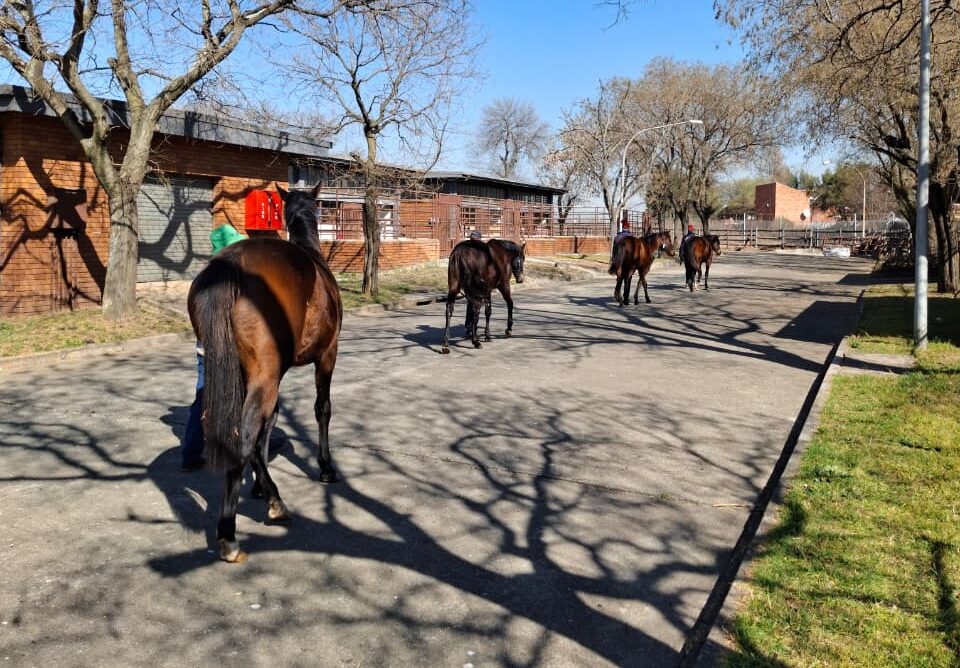

 2026 has been a landmark year for equine imports into South Africa.
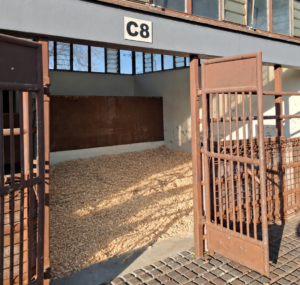
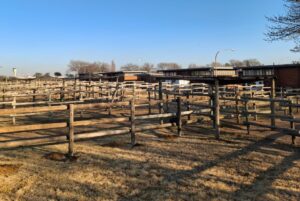
Thanks to the successful partnership between the South African Equine Health and Protocols and the National Department of Agriculture, there are now six countries approved for direct horse imports: the United Kingdom, the Netherlands, Belgium, Dubai, Australia and New Zealand. This represents the greatest number of countries open for direct equine trade in more than ten years. Discussions are also progressing with Argentina and we remain optimistic that it too will be approved for direct imports in the near future. With the cooperation and support of the other importing agents, we have also significantly expanded and upgraded our quarantine facilities. Quarantine capacity has increased to 44 stables and 23 secure paddocks, including dedicated stallion paddocks, ensuring we are well positioned to accommodate the growing demand for imported horses while maintaining the highest standards of biosecurity and horse welfare. As part of our ongoing commitment to excellence, we have also invested in a number of important infrastructure and safety improvements.
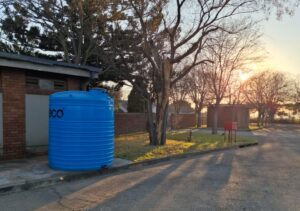
To mitigate the challenges associated with water shortages affecting the Greater Johannesburg Municipality, we have installed a dedicated backup water supply system to ensure the uninterrupted care and welfare of horses throughout the quarantine period. In addition, fire extinguishers have been installed in all storerooms and throughout each stable block to further enhance fire safety across the facility. We have also equipped the station with a fully stocked medical emergency kit to ensure that appropriate first aid is immediately available should any member of staff require assistance. These enhancements form part of our continued commitment to providing a safe, secure and professionally managed environment for both horses and the people who care for them.
At the same time, the industry continues to work towards resolving the ongoing challenges surrounding the SURRA testing requirements. The current testing protocols have resulted in numerous delays and have cost the equine industry millions of rands. There is considerable pressure on the relevant authorities to adopt a more pragmatic, risk-based approach that protects animal health while facilitating efficient international trade. South African Equine Health and Protocols is assisting with this.
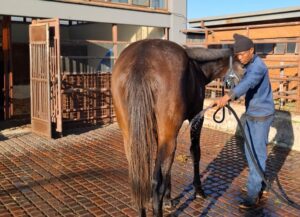
As we reflect on these positive developments, I would also like to take this opportunity to thank you for your continued trust and support in allowing me to manage the importation and quarantine of your horses into South Africa. Providing the highest standard of care for every horse entrusted to me has always been, and will always remain, my foremost priority. Due to the current political and regulatory environment regarding the employment of foreign nationals, I have unfortunately under increasing pressure to replace my current team of highly trained and experienced foreign grooms with South African grooms. This is a decision I make with a heavy heart, as my existing staff have demonstrated exceptional dedication, professionalism and expertise, and have been instrumental in maintaining the consistently high standard of care that our clients have come to expect.
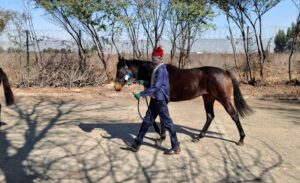
 I am now fully committed to employing experienced South African grooms and ensuring that they receive the training and support necessary to uphold these standards. This transition, however, requires a substantial investment. To ensure continuity of care throughout the quarantine period, it is essential that these staff members are competitively remunerated, receive ongoing professional training, are covered by the appropriate workers’ compensation and insurance, and remain permanently employed so that experienced personnel are always available when horses arrive. Consistency and routine are paramount to top standard horse care.
As part of this commitment, we have also upgraded staff accommodation by improving living facilities and providing refrigeration and Wi-Fi to create a comfortable and professional working environment. These investments are essential to attracting and retaining skilled staff who can continue delivering the level of care our clients expect. Regrettably, these increased operational costs will need to be reflected in our future pricing.
To provide greater flexibility and assist clients in managing costs, I am pleased to offer an alternative option. Should you wish to provide your own groom for the duration of your horse’s quarantine, I will be able to offer my importation and quarantine management services at a substantially reduced fee. However, in accordance with current regulations, any groom provided must be a South African national.
As the quarantine station is a government-owned and government-operated facility, there is unfortunately no flexibility regarding this requirement, and I am obliged to comply fully with these regulations.
Please be assured that every decision I make is guided by my unwavering commitment to providing exceptional service and the highest standard of care for both you and your horse.
I remain dedicated to employing outstanding staff, maintaining world-class horse care and ensuring that our equipment and quarantine procedures continue to meet the highest professional standards.
I sincerely appreciate your understanding and continued support during this period of change. Should you have any questions or wish to discuss the options available, please do not hesitate to contact me.
Thank you once again for your continued confidence in my services. I look forward to continuing to care for your horses and supporting your importation requirements for many years to come.
